How the Toyota Prado export process works
Exporting a Prado from China takes five steps: inquiry, proforma invoice, preparation and inspection, shipping, and documents. In-stock vehicles ship within 10 working days after payment; sourced units take longer and we confirm the timeline with your quote.
The five steps
- 1
1. Inquiry & specification
Send the model year, trim, colour, quantity and destination port. We check availability, confirm the specification and answer technical questions — usually within 24 hours.
- 2
2. Quotation & proforma invoice (PI)
We quote on FOB (delivered on board at the Chinese port) or CIF (including freight and insurance to your port). Once you accept, we issue a proforma invoice listing each vehicle, the price, payment terms and delivery terms.
- 3
3. Preparation & inspection
Vehicles are prepared and inspected. For used units we record mileage and condition. You receive photos or videos of your actual vehicles. If you require an independent third-party inspection, tell us at the quotation stage.
- 4
4. Export clearance, loading & shipping
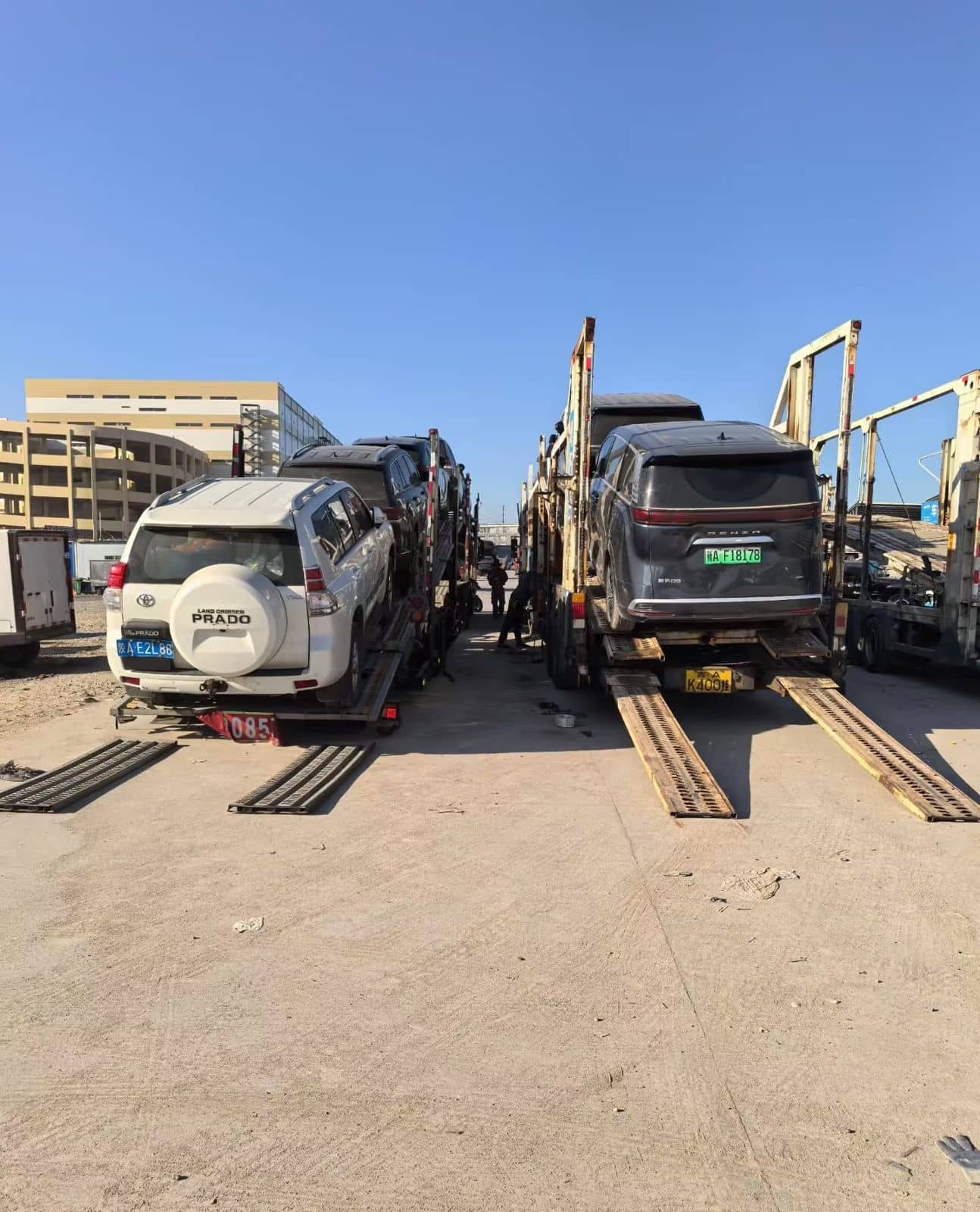
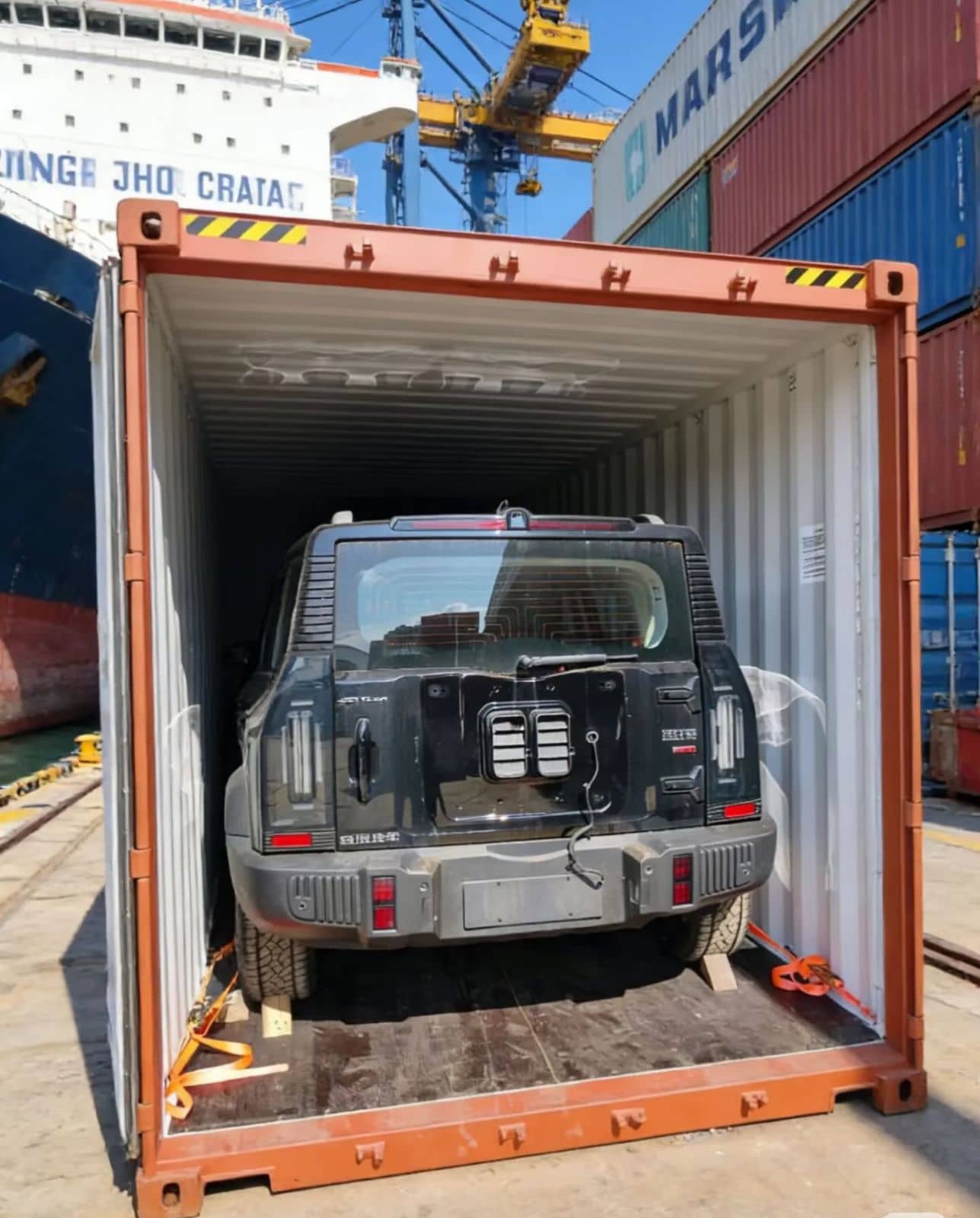
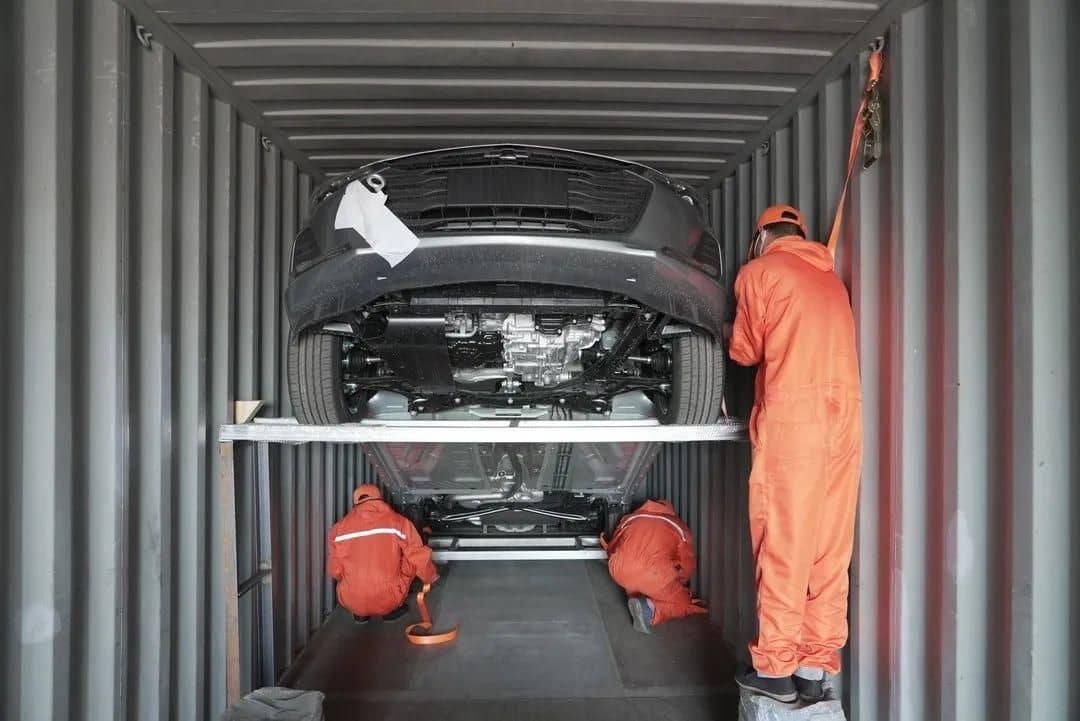
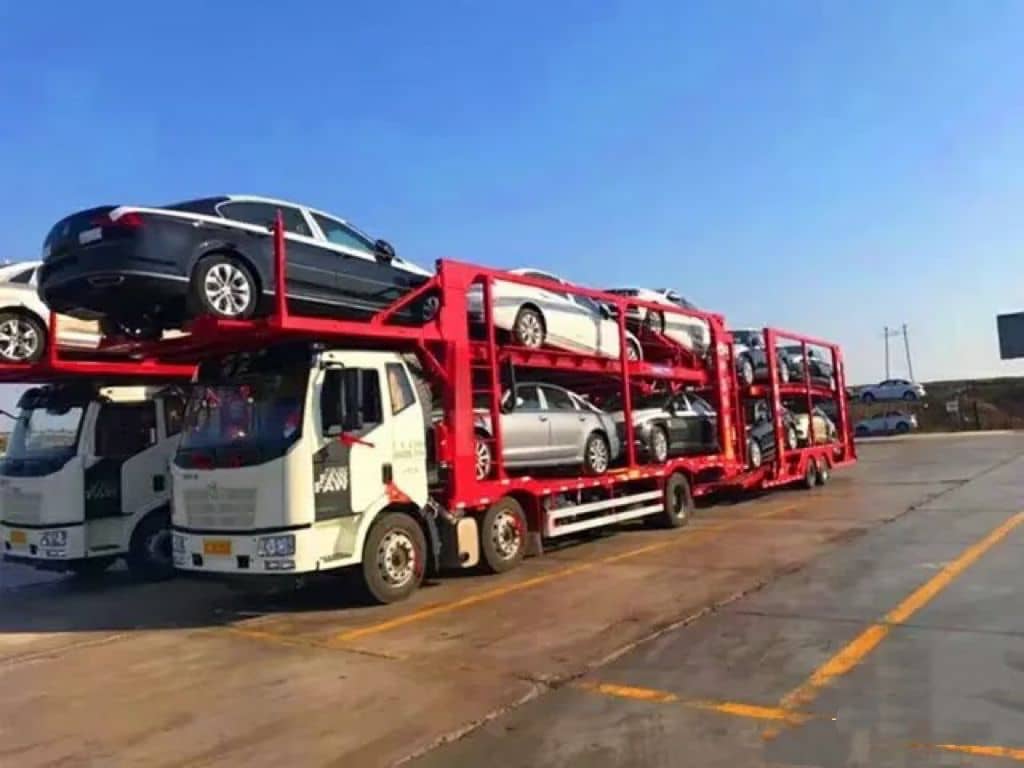
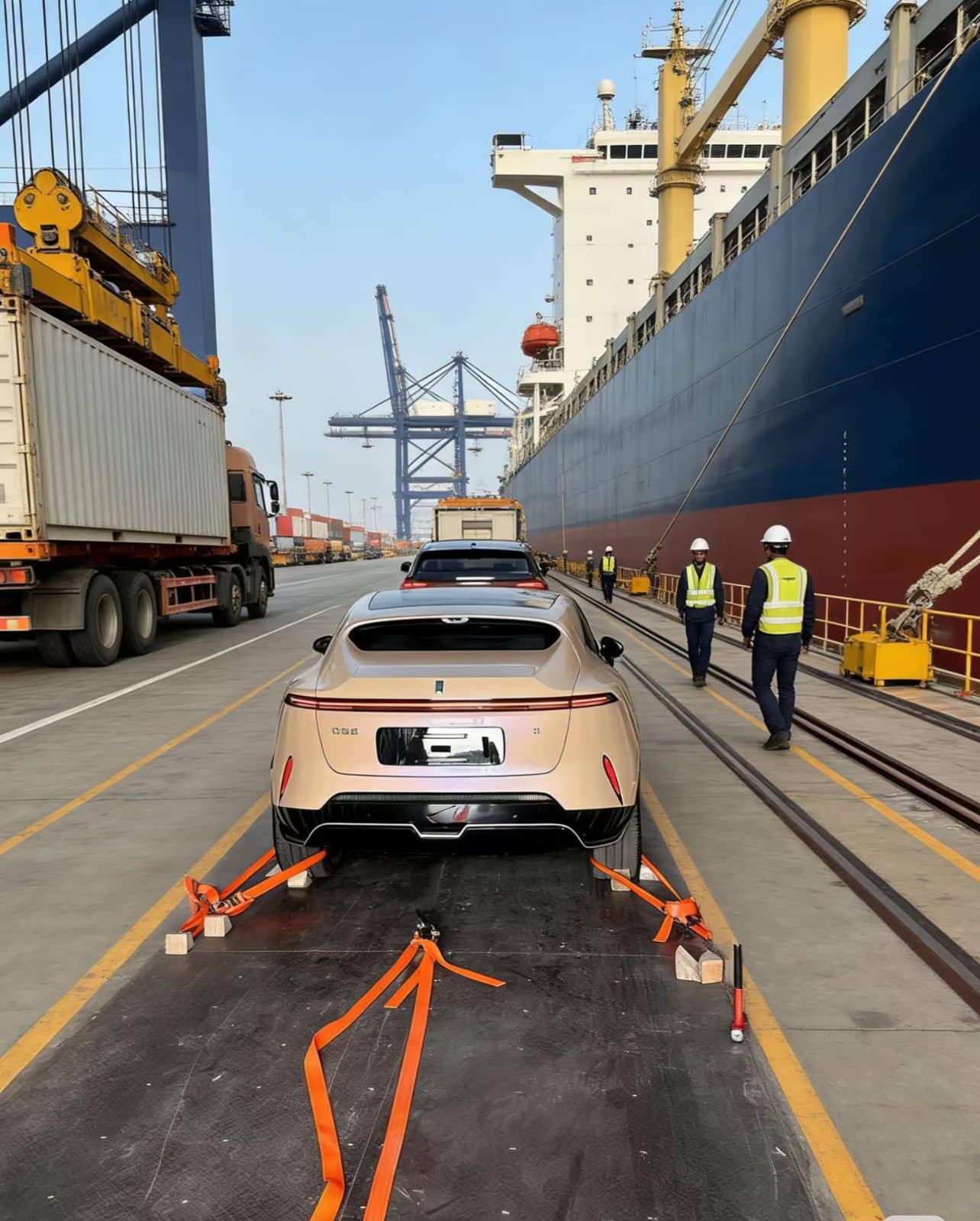
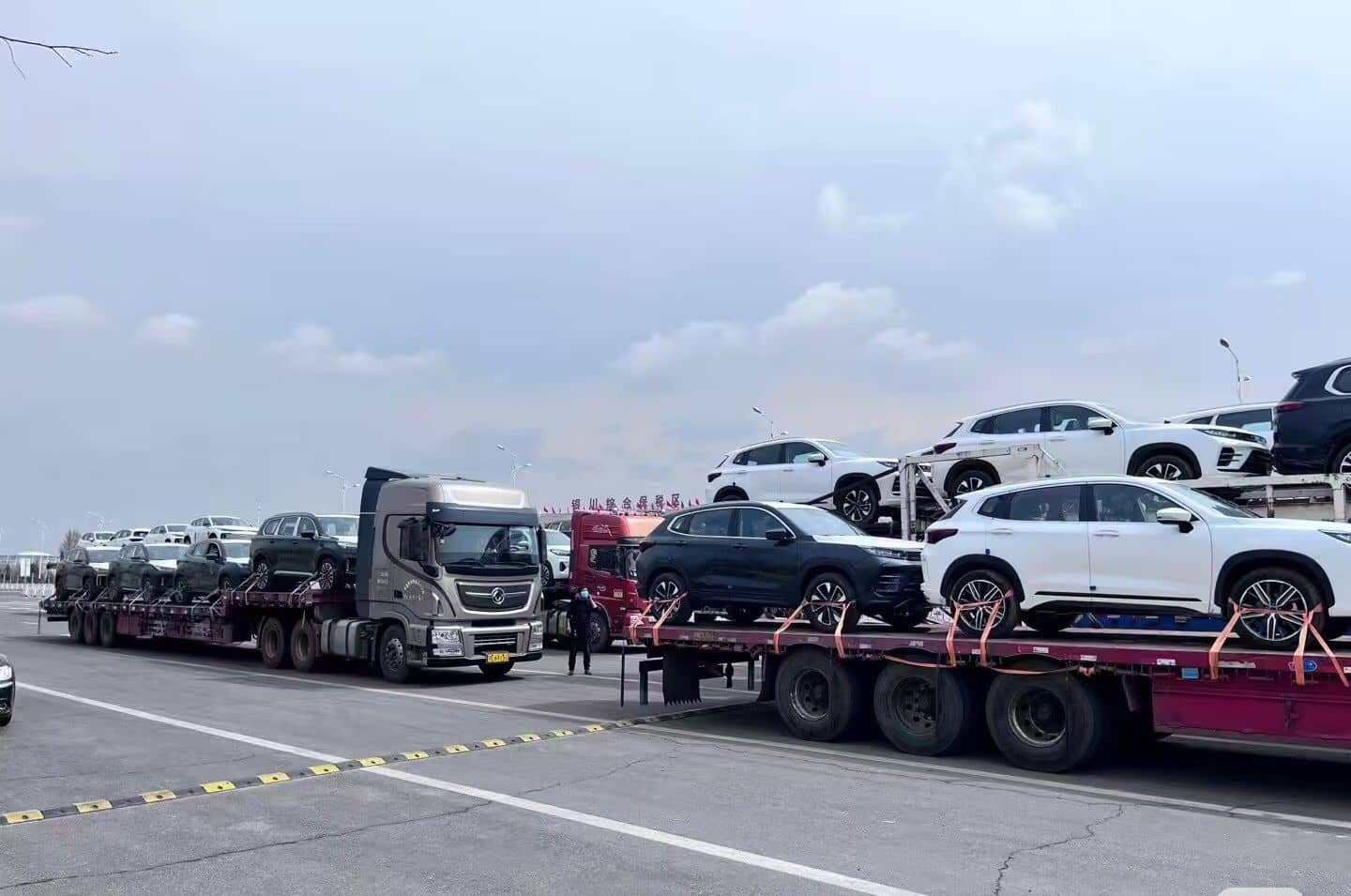
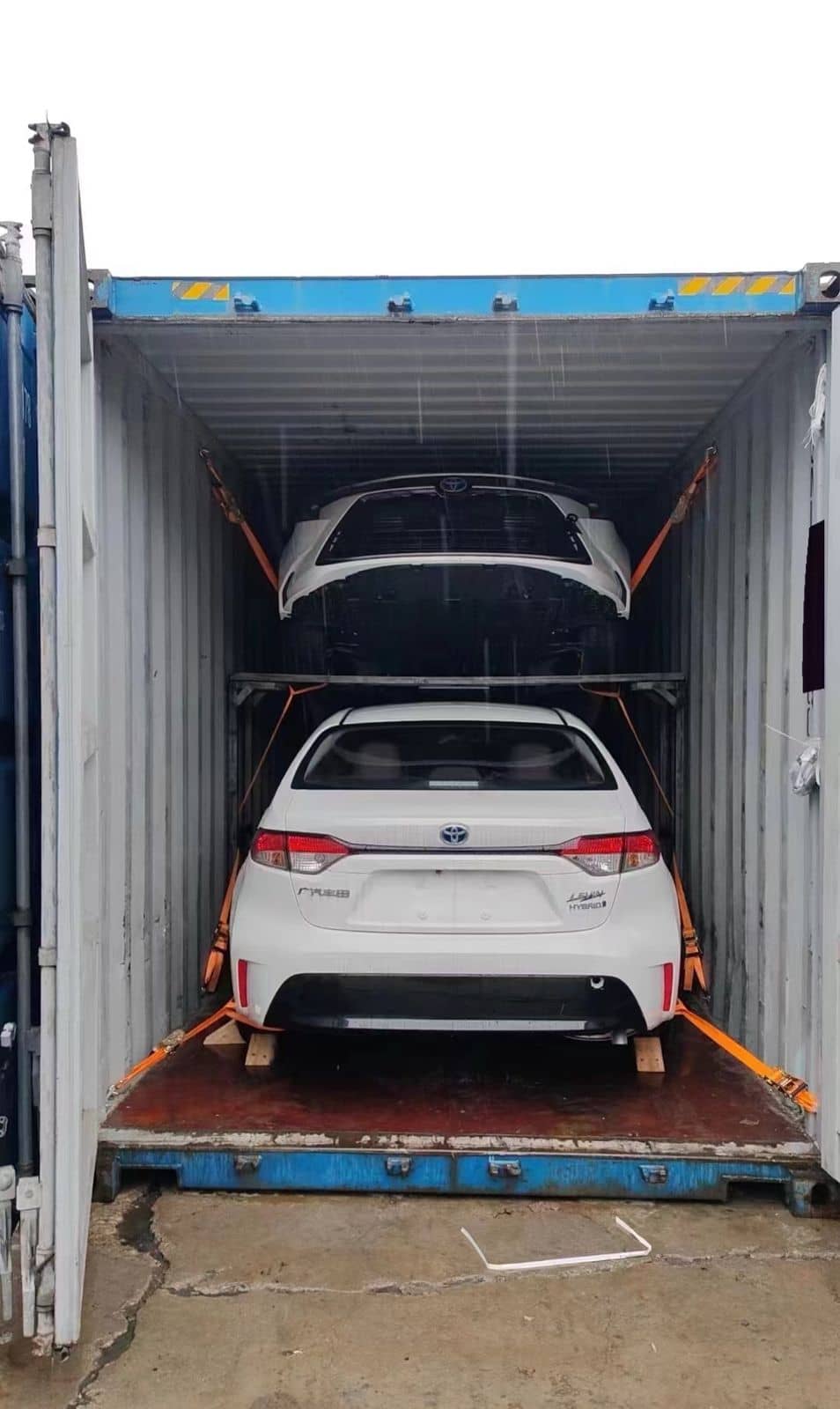
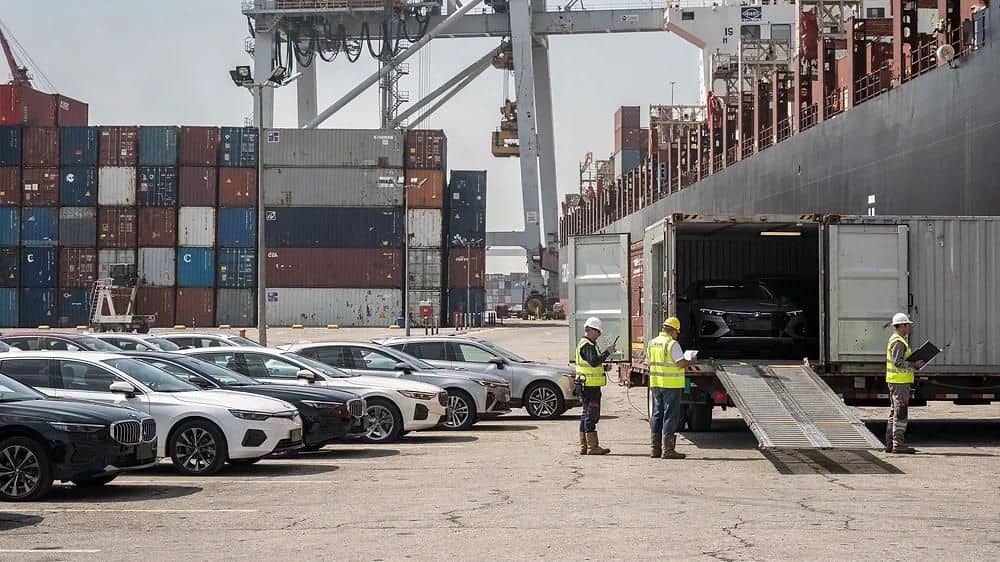
We complete export customs clearance in China and load the vehicles by Ro-Ro or container. Loading is photographed so you can confirm each unit is secured.
- 5
5. Documents & delivery
We send the shipping documents your customs broker needs to clear the vehicles at destination. Import duties, taxes and local registration are handled in your country by you or your broker.
Which documents do I receive?
Standard export shipments come with the documents below. If your country requires something specific, tell us before the PI is issued.
Commercial invoice
The final invoice for the vehicles shipped.
Packing list
Vehicles, VIN numbers and loading details.
Bill of lading (B/L)
The carrier's receipt and title document for the cargo.
Certificate of origin
Issued on request, where your import rules require it.
Vehicle documents
Specification and identification documents for each vehicle (VIN).
Ro-Ro or container: which shipping method should I choose?
Ro-Ro usually costs less for single units on regular routes; containers protect the vehicles better and let you mix models in one shipment.
| Ro-Ro | Container (e.g. 40HQ) | |
|---|---|---|
| How it works | Vehicles are driven onto a specialised car-carrier vessel | Vehicles are secured inside a shipping container |
| Best for | Single units or large lots on regular Ro-Ro routes | Small lots, mixed models, ports without Ro-Ro service |
| Protection | Exposed to the vessel's deck environment | Enclosed and lashed — better protection |
| Personal items / parts | Usually not allowed inside the vehicle | Accessories can be packed with the vehicle |
Read our full guide: Ro-Ro vs container shipping for the Toyota Prado.
How are payment terms agreed?
Payment terms are agreed per order and written on the proforma invoice before you pay anything. Ask your sales manager about the options available for your order size and country.
FOB and CIF explained
Under FOB, our responsibility ends when the vehicles are loaded on board at the Chinese port; you arrange and pay ocean freight. Under CIF, we also pay freight and minimum insurance to your destination port, but risk passes to you once the goods are on board. Both terms are defined in the ICC Incoterms® 2020 rules.
Packaging & shipping specifications
Ready to price your order?
Send the model, quantity and destination — we reply with a FOB or CIF quote within 24 hours.